
Tire Rotation vs Alignment: Essential Tire Care Explained
• October 27, 2026
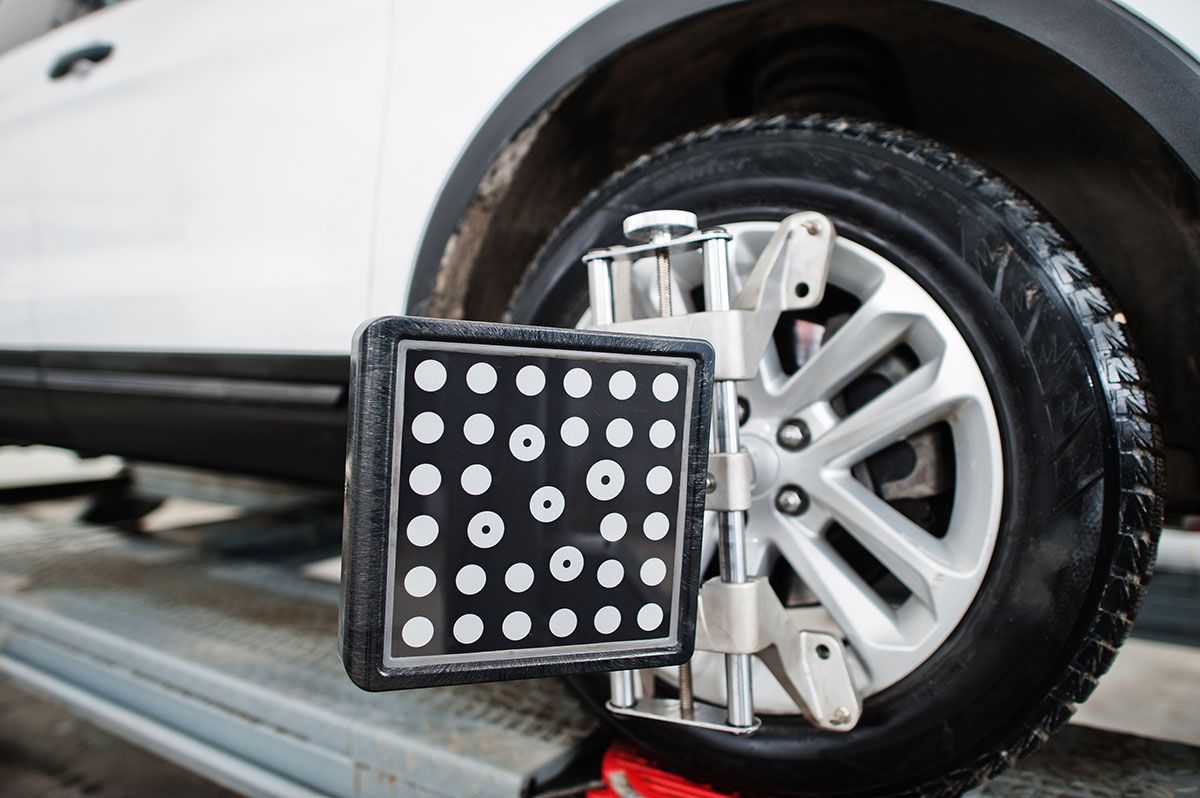
Tire rotation and wheel alignment are two different services that work together to protect your tires, improve handling, and support safer driving. Rotation changes where each tire sits on the vehicle, while alignment adjusts the angles of the wheels so they meet the road correctly. Understanding tire rotation vs alignment makes it easier to spot problems early, plan routine tire maintenance, and reduce avoidable tire wear.
What is the difference between tire rotation and alignment?
The simplest difference is this: tire rotation moves the tires, and wheel alignment adjusts the wheels. During a tire rotation, each tire is moved to a different position, such as from front to rear or side to side, depending on the vehicle and tire type. During an alignment, a technician checks and adjusts suspension-related angles so the wheels point in the right direction and sit properly against the road.
Both services are part of smart tire care, but they solve different problems. Rotation helps tires wear more evenly because front, rear, left, and right tire positions do not carry stress in exactly the same way. Alignment helps prevent the vehicle from pulling, drifting, or scrubbing the tires unevenly because the wheels are not properly angled.
A good way to remember it is that tire rotation is about position, while wheel alignment is about geometry. One does not replace the other, and skipping either service can shorten tire life.
Tire rotation keeps wear more even
Tire rotation is a routine tire maintenance service that helps balance the workload across all four tires. On many vehicles, the front tires wear faster because they handle steering, much of the braking force, and often more weight from the engine. Rear tires may wear differently because they stabilize the vehicle and respond to load, road conditions, and drivetrain layout.
By moving tires to different positions, rotation helps prevent one pair of tires from becoming significantly more worn than the others. This matters because uneven tread depth can affect grip, braking feel, ride comfort, and how predictable the vehicle feels in wet or rough conditions.
Rotation patterns vary. A front-wheel-drive vehicle may use a different pattern than a rear-wheel-drive, all-wheel-drive, or four-wheel-drive vehicle. Directional tires, staggered tire sizes, and performance setups can also limit how tires should be moved. That is why it is best to follow the vehicle manufacturer’s guidance or ask a qualified service professional which pattern is appropriate.
Tire rotation is also a useful inspection opportunity. While the tires are off or being moved, a technician can often spot early signs of trouble, such as low tread, sidewall damage, punctures, cupping, feathering, or uneven tire wear that may point to an alignment or suspension issue.
Wheel alignment protects handling and tread life
Wheel alignment focuses on how the wheels are angled in relation to the vehicle and the road. Even small alignment problems can cause tires to drag or scrub instead of rolling smoothly. Over time, that friction can create uneven tire wear and make the vehicle feel less stable.
Alignment is not usually about adjusting the tire itself. It is typically related to the steering and suspension system. The main alignment angles are often described as camber, caster, and toe. Camber affects how much the tire leans inward or outward. Caster influences steering stability. Toe describes whether the wheels point slightly inward or outward when viewed from above.
When these angles are outside the recommended range, the vehicle may pull to one side, the steering wheel may sit off-center, or the tires may wear along the inner or outer edges. Sometimes the symptoms are obvious. Other times, the driver may not notice anything until the tread pattern shows the problem.
Alignment can be affected by potholes, curb impacts, worn suspension parts, accidents, and normal wear over time. It is also a good idea to consider alignment when installing new tires, replacing suspension components, or noticing a change in steering feel.
Common signs your tires need attention
Tires often show clues before a small problem becomes expensive. Paying attention to how the vehicle drives, sounds, and feels can help you decide whether to schedule tire rotation, wheel alignment, or a broader inspection.
Look for these common warning signs:
- Uneven tread depth: If one tire, one axle, or one edge is wearing faster, the vehicle may need rotation, alignment, or both.
- Pulling or drifting: A vehicle that does not track straight on a level road may have an alignment issue, low tire pressure, or another steering concern.
- Off-center steering wheel: If the steering wheel is crooked while driving straight, alignment should be checked.
- Vibration at certain speeds: Vibration may point to tire balance, tire damage, wheel damage, or other mechanical issues.
- Feathered or scalloped tread: Irregular tread patterns can be linked to alignment, balance, suspension wear, or delayed tire rotation.
- Noisy tires: Humming, thumping, or rhythmic road noise may develop when tread wears unevenly.
These symptoms are not always caused by one single issue, so it is helpful to avoid guessing. For example, vibration is not automatically an alignment problem, and pulling is not always caused by the wheels being out of alignment. Tire pressure, road crown, brake problems, bent wheels, or worn suspension parts can create similar sensations.
A practical tire care habit is to visually inspect your tires every few weeks. Check for nails, cracks, bulges, low tread, and uneven wear. Also keep tire pressure at the level recommended for your vehicle, since underinflation and overinflation can both affect tread life and handling.
Which service do you need: tire rotation or wheel alignment?
You may need tire rotation if your tires are wearing normally but it is time to move them to different positions as part of routine maintenance. You may need wheel alignment if the vehicle pulls, the steering wheel is off-center, or tread wear appears on one edge. In many cases, the right answer is not tire rotation vs alignment; it is using both services at the right time.
Here is a simple way to think through it:
- Start with tire condition. If tread is wearing evenly and the vehicle drives straight, a scheduled tire rotation may be enough.
- Check the driving feel. Pulling, wandering, or an off-center wheel suggests an alignment check may be needed.
- Look at the wear pattern. Edge wear, feathering, or rapid wear on one tire can indicate alignment, suspension, or inflation problems.
- Consider recent impacts. If you hit a pothole, curb, or road debris, alignment can shift even if the vehicle still feels mostly normal.
- Review recent service. New tires, suspension repairs, or steering work are good moments to confirm alignment.
A rotation can help even out normal wear, but it cannot fix the root cause of wear caused by bad alignment. Likewise, alignment can correct wheel angles, but it does not move tires around to balance tread wear across positions. Treating them as separate but connected services leads to better tire maintenance decisions.
How tire wear patterns tell a story
Tire wear is one of the clearest signals your vehicle gives you. The pattern across the tread can suggest whether the problem is related to rotation schedule, alignment angles, inflation, balance, or mechanical wear.
For example, wear on both outer shoulders may suggest underinflation or aggressive cornering. Wear down the center can indicate overinflation. Heavy wear on the inside or outside edge may point toward alignment trouble. Patchy, cupped, or scalloped wear can be linked to balance issues, worn shocks or struts, or suspension concerns.
The key is to catch the pattern early. Once a tire develops severe uneven wear, rotating it may reduce further imbalance, but it will not restore lost tread. That is why routine tire care is less about reacting to obvious damage and more about preventing small irregularities from becoming permanent.
If you are checking tread at home, compare all four tires. Look across the full width of each tire, not just the center. If you see a difference between the inner and outer edges, or one tire looks noticeably different from the others, it is time for a professional inspection.
A simple tire maintenance checklist
Consistent habits make tire care easier and help you avoid relying only on warning signs. You do not need to become a tire expert; you just need a repeatable routine that catches common problems.
Use this checklist as a practical guide:
- Check tire pressure when the tires are cold, using the vehicle’s recommended pressure.
- Inspect tread depth and look for uneven tire wear across the full width of each tire.
- Schedule tire rotation according to your vehicle’s maintenance guidance or service advisor’s recommendation.
- Ask for a wheel alignment check if the vehicle pulls, the steering wheel is off-center, or tires show edge wear.
- Have tires inspected after hard pothole or curb impacts.
- Do not ignore vibration, new road noise, or changes in steering feel.
- Replace damaged tires promptly if a professional says they are unsafe to repair.
This checklist is especially useful before long drives, seasonal weather changes, or road trips. A few minutes of inspection can reveal issues that affect braking, traction, comfort, and fuel efficiency.
Tire rotation and alignment work best together
The debate around tire rotation vs alignment can make the services sound like competitors, but they are partners. Rotation helps distribute wear more evenly. Alignment helps the tires roll in the correct direction and maintain better contact with the road.
When both are handled at appropriate intervals, the benefits add up. Tires can wear more consistently, steering can feel more predictable, and small issues are more likely to be found before they lead to premature tire replacement. Good tire maintenance also supports the rest of the vehicle because tires are connected to braking, suspension, steering, and ride quality.
It is also worth remembering that every vehicle is different. Driving style, road quality, climate, tire type, load, and suspension condition all influence how quickly tires wear. If you regularly drive on rough roads, carry heavy loads, or notice frequent steering changes, you may need inspections more often than a driver with mostly smooth highway use.
The practical takeaway
Tire rotation and wheel alignment are not the same service, but both are essential parts of responsible tire care. Rotation changes tire positions to promote even wear, while alignment corrects wheel angles to improve tracking, steering feel, and tread life.
If your tires look evenly worn and the vehicle drives straight, keep up with scheduled tire rotation. If the vehicle pulls, the steering wheel sits crooked, or the tread is wearing unevenly, ask for a wheel alignment check. Paying attention to both services helps reduce avoidable tire wear and keeps your vehicle feeling more stable mile after mile.
Recent Posts
Appointments
Schedule an appointment with Providence Automotive
SHARE THIS